My Early Career
The world became a much bigger classroom.
Consultancy took me into unfamiliar industries, complex projects and conversations with people whose expertise was very different from my own. It became one of the most formative periods of my career.
“I don’t want to get to the end of my life and find that I lived just the length of it. I want to have lived the width of it as well.”— Diane Ackerman
I still recommend consultancy to young people who are unsure where to begin.
I am often asked for career advice by people exploring their options, and my answer is usually the same: look seriously at consultancy.
Not because it offers one neat career path. Quite the opposite. Good consultancy exposes you to different organisations, industries, problems and ways of thinking in a remarkably short space of time.
That experience played an important role in both my professional development and my personal growth.
The beginning
It started rather modestly.
My own journey into consultancy began with technology advice for small businesses. The work was practical and immediate: understand what a client needed, work out what was getting in the way and find a solution that actually helped.
From there, I moved into technology and software consultancy for several oil and gas companies. The projects became larger, the problems more specialised and the expectations considerably higher.
Those early roles laid the foundation for my move into larger-scale management consultancy with multinational firms.
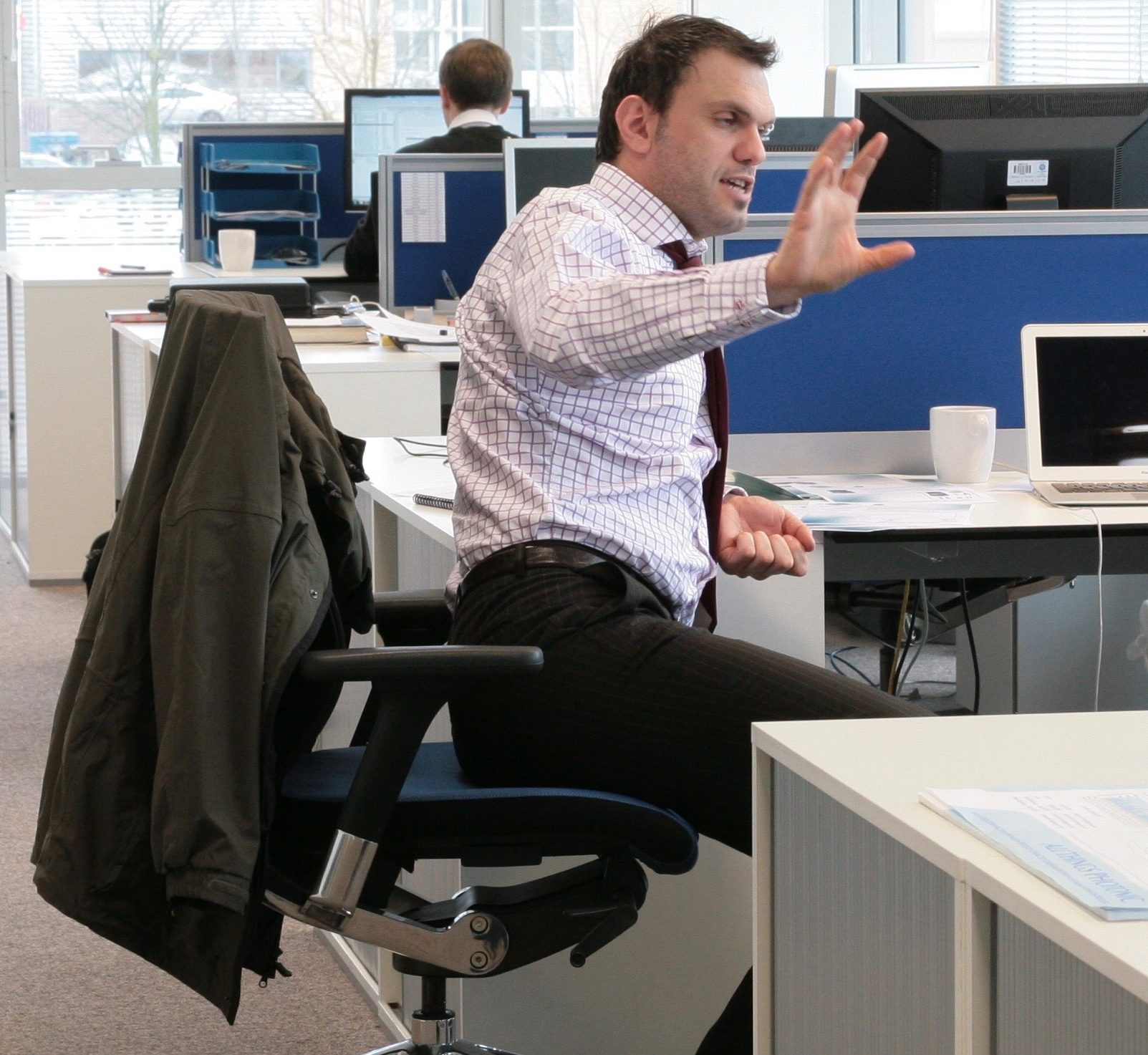
New industries
Every project dropped me into a different world.
What surprised me most was the intellectual pace of the work. I found myself working alongside people with exceptional academic backgrounds in science and engineering, often learning as much as I had during my university years.
My exposure ranged from crude oil and geology to medical devices and fibre optics. These were areas I had not set out to become an expert in, but consultancy required me to understand enough, quickly enough, to ask sensible questions and contribute.
That constant movement between subjects broadened the way I saw problems. It also made me much more comfortable entering a room without pretending to know everything.
Client work
The real challenge was rarely the technical problem alone.
The most illuminating part of consultancy was working directly with clients: understanding what they were trying to achieve, identifying the real problem and translating that into something practical.
Each project brought a different set of pressures. There were tight deadlines, high expectations and situations where a solution had to make sense not only technically, but commercially and organisationally too.
I genuinely relished that environment. The work was stimulating, unpredictable and demanding in a way that kept me engaged.
The most useful things I took from consultancy were not industry-specific.
Learning to separate the obvious problem from the real one.
Becoming comfortable in unfamiliar situations and industries.
Explaining complicated ideas clearly to people with different backgrounds.
Moving from analysis to practical action when time and resources are limited.
Those years still influence the way I work today.
The skills I developed through consultancy have followed me into almost everything I have done since.
They became particularly valuable when I moved further into education. Teaching and educational consultancy may look very different from management consulting, but both require you to understand people, diagnose problems and find ways forward that work in the real world.
Looking back, consultancy did much more than broaden my CV. It broadened the way I think.